
Fields of Mistria town rank
Town is the progression hub for players who need to connect locations, renown, repairs, requests, and release context. It links town questions to captured records while keeping a live quest tracker and complete schedule outside the route. Town remains bound to the v1.0.2 capture.
Steam 1.0 release ·Town data boundary
Start this town check with the displayed count, then keep the chosen field and internal record provenance together when the answer affects a longer route.
Town lookup
49 records shown · v1.0.2
Community reference images · not an official source
49 records shown · Name A–Z





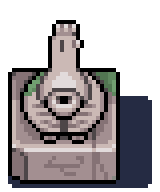

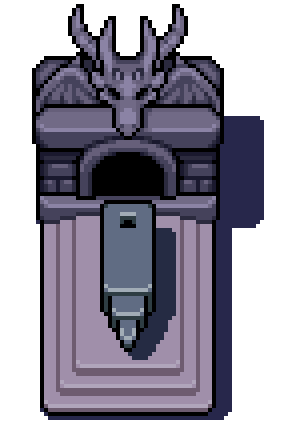
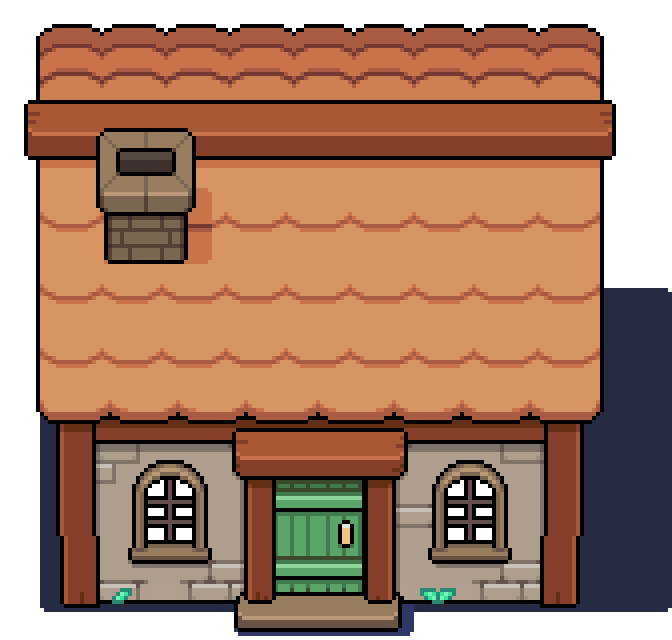

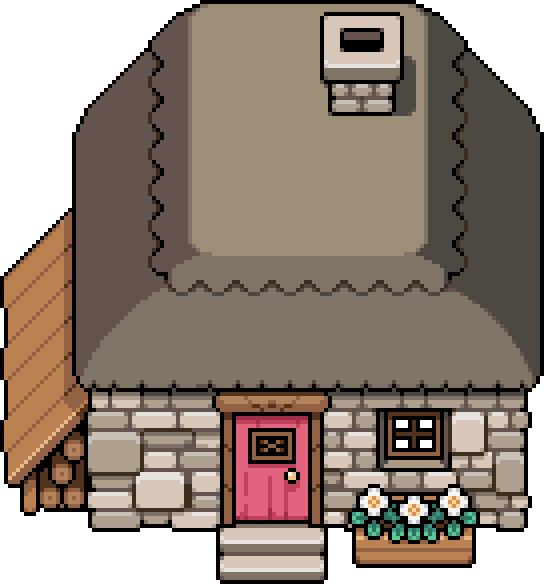














No records match this lookup.
The town lookup connects named places, public systems, player tasks, and versioned source records without turning them into a live quest tracker. Search a location, repair phrase, request, renown term, or source name, then use type, category, source, or version fields to isolate the relevant family. A place row can identify where a subject belongs in the captured data but does not provide a complete opening schedule or coordinate. A system relation can connect town repair, requests, skills, or collection work without proving every prerequisite and timing rule. Version labels distinguish a current system note from an older announcement, while the Updates route remains the source for official chronology. The result count reflects the active controls and does not represent unfinished quests in the player’s save. Use the lookup to find the documented checkpoint, read the exact fields shown, and recheck the displayed fields and version boundary when a route depends on a schedule, dependency, reward, or state that the compact row did not capture.
What this lookup covers
The page uses real location names and types, captured player-task text, system relations, official update ids, and internal record provenance. It does not promise a complete quest chain or schedule because those fields were not present across the sealed public boundary. The current version remains v1.0.2; historical release facts stay on the Updates route and are not silently presented as current town mechanics. This separation lets a player see a current repair or renown record alongside its captured context without confusing an announcement date with an always-current system rule. The town surface is deliberately connective. A place, repair, request, or renown phrase can lead to a source record, but the presence of a relationship does not prove a full quest dependency or a timing rule. Version and source fields give the player enough context to distinguish a current system note from an historical announcement. This section keeps the 49 town records inside the v1.0.2 capture separate from later research.
Town records can include names, types, categories, player-task phrases, source text, location relationships, version ids, tags, page identities, revisions, and explicit links to neighboring systems. The page preserves those values separately so a relation is not mistaken for a requirement and a version phrase is not mistaken for the current state of every record. Broad search helps recover a task from remembered wording; the field filter confirms whether that wording belongs to type, category, source, or another displayed value. The relationship panel shows connections present in the sealed records, not a generated quest graph. Character pages provide resident identities, skills provides progression-oriented records, and updates provides dated official changes. None of those routes should fill a missing town field automatically. If a place lacks hours, a repair lacks dependencies, or a request lacks timing, follow the source and keep the compact result limited to the evidence it actually contains.
Version boundary
Search by town place or task phrase, filter by type or category, and open the relationship disclosure to see the museum, mine, and skill connections. Use the current patch context to separate full-release Town Repair changes from earlier Early Access records. This gives a player a next useful lookup without adding a map or live progression tracker. When a row points toward another family, follow the internal route and keep the original town id in mind so the cross-reference remains traceable. Search the phrase that appears in the player task, then use type and category to separate a place from a system record. Follow the relationship panel when it points to a genuine neighboring route. For a long progression plan, use the result as a documented checkpoint and confirm the dated official note before treating it as current. Use the town result as a documented next step, then revisit the linked source if a later version changes the field.
The town surface uses the displayed v1.0.2 capture context and keeps version ids attached to records that expose them. This is important because Early Access notes, the full 1.0 release, and the current patch can describe different states of repair, renown, relationships, or public systems. The official timeline establishes when a change was announced, while the structured town record shows which fields were captured from its community source. A later revision should add new evidence without erasing the older boundary. For a current route, find the place or task, check its source and version fields, and verify any missing dependency or schedule at the captured record. The almanac does not read quest progress, synchronize a calendar, or mark town repairs complete. Search and sorting are local reading controls. Keeping them separate from save state makes the page useful for orientation while preventing an old announcement or partial relation from being presented as a guaranteed current quest rule. When a plan spans several days, retain the record’s version and source beside the task name. That context is more dependable than a detached note after a patch changes the surrounding system. Add the record type as well when the same phrase can describe both a place and a public system.
Show captured system relationships
Town relationships show which captured systems and places share a player task, while the dated release facts remain on the official timeline.
- Fish · Museum
- Mines · Skills
- Town Rank · Quests
- Skills · Mines
- Quests · Town Rank
- Museum · Fish